The Human Condition (BLOG)

Notes From The Road: London

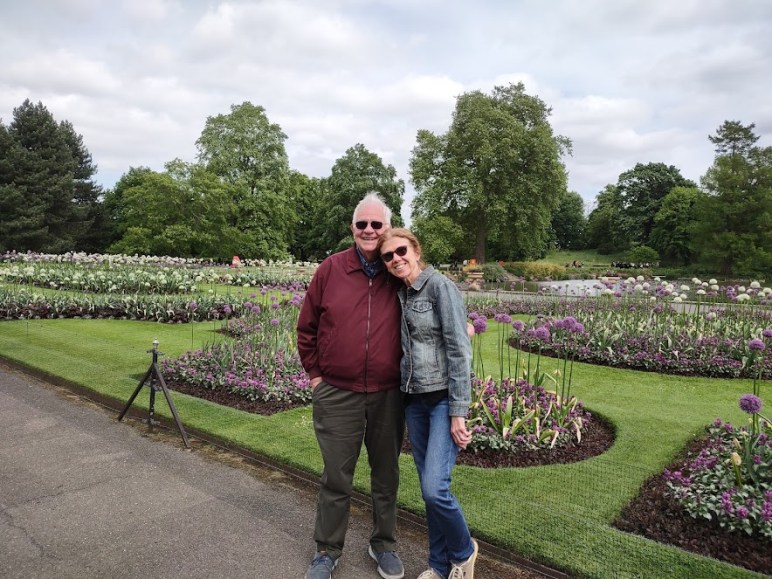
As I mentioned up top in last month’s post, Ed and I spent May in London. A place I haven’t seen since the fall of 2019. A city that has been the home of my heart for the many decades since I first landed there, a student studying Shakespeare and contemporary British drama at the University of London for a semester. Some 250 years ago, Dr. Samuel Johnson nailed it with these words: When a man is tired of London, he is tired of life. Let me assure you, I ain’t tired of life!

One of the great perks of being a writer is your time is your own. One of the snags is that you’re never really “off duty.” So, to bring you something fresh while reveling in every moment of my beloved city, I jotted down notes as Ed and I visited galleries and museums, watched plays and listened to concerts, strolled the city’s many parks and tipped back pints in pubs. What follows are moments/impressions/reflections: Notes from the road.

The Kindness of Strangers

On our way to Russell Square Park—an idyllic space to read, daydream, and watch the local children chase pigeons (don’t worry, the pigeons are way ahead)—we walked up Montague Place, a quiet street that skirts the back entrance to the British Museum. A lovely tree-lined street, whose trees on that early May morning were sending up clouds of pollen. I quickly donned the cloth facemask I’ve carried everywhere since The Plague hit, but too late. By the time I reached the top of the road where the park begins, I literally could not get my breath. WATER was the only thing on my brain. That and not collapsing in the middle of the crosswalk.

Then I saw my salvation, right inside the park gates—an ice cream van!   I don’t know if you can asphyxiate from pollen [turns out you can, but it’s exceedingly rare], but I wasn’t about to put it to the test. I rushed over. “Water!” I choked out between spasms of coughing. The woman helming the van immediately tossed me a bottle of H2O. “No charge,” she said.    

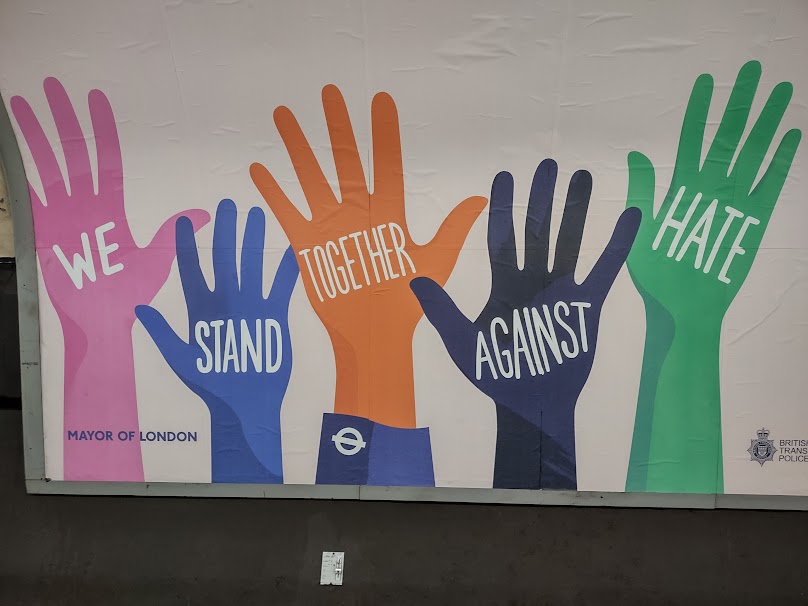
Honestly, I’m not sure what I’d have done if she hadn’t been there. The café on the other side of the park was too far. I would have collapsed before I reached it. After that, I made sure I was well-masked on tree-lined streets and armed at all times with a bottle of water. But the ice cream vendor’s kindness stayed with me. London is a city where I have often experienced kindness from strangers. I believe there may be a connection here between the kindness of individuals to one another and the way their society models (or doesn’t) inclusivity—this city, this nation, this world belongs to all of us.

Eid-in-the-Square Brings a City Together

london.gov.uk

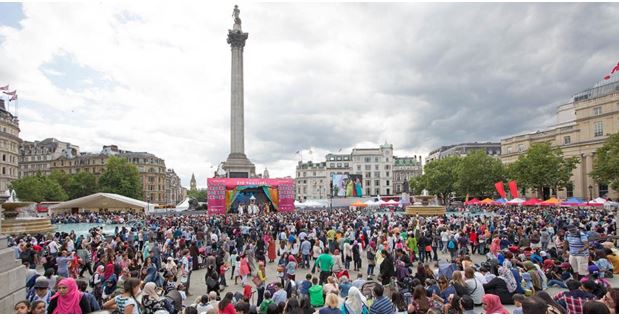
I was reminded of that last thought on our first Saturday in London as we made our way down to Trafalgar Square to check out “Eid in the Square,” a city-sponsored festival to celebrate Eid-al-fitr, the end of Ramadan (the Islamic holy month of fasting). Ed and I had watched the prep crew set up dozens of food stalls the day before in anticipation of hordes of hungry people. They weren’t disappointed. Thousands of Londoners thronged the surrounding streets and packed the square to chow down on kebabs, tagine, baklava, and much else while enjoying musical acts such as the Baha Yetkin Sufi Ensemble—a band whose playlist ranges from Ottoman “standards” to songs by pop diva Sezen Aksu—performed on a large stage erected for the event.

We stopped to chat with a man working the festival—he was available to answer questions about Islamic texts or tenets—and had a lovely conversation about the need for tolerance, inclusiveness, and harmony in the world. 
Googling “Eid-in-the-Square” back at our rented flat, I discovered that this was its 17th year. The festival was developed by the Mayor of London “in partnership with London-based arts, culture and grass roots Muslim organisations … to bring communities, families and friends together to enjoy the celebrations.” One member of the community advisory group, Azmat Suleman, tagged himself as “events and engagement manager with a passion for interfaith and intercultural events.” Well, “Eid in the Square” certainly restored my faith in humankind’s ability to get along, to share in each other’s holidays, to come together to celebrate and enjoy good food, lively music, a beautiful Saturday.

Off-the-Cuff #1

After perusing book titles at the Waterstone’s on Tottenham Court Road for our end-of-trip book spree (we’d already done the same at the Trafalgar Square Waterstone’s the day of “Eid in the Square”), we took a lunch break in the shop’s small but tasty café. The tables were nestled among shelves of psychology, history and science books. Glancing from left to right, I was amused to see a fair selection of books on happiness—how to be happy, how to be happy again, how to be happy no matter what’s happening—and just two shelves over, The Sixth Extinction. Ah, the alpha and omega of modern life.    

Paying Homage

Whenever I’m in London, I make a trek to the British Library up on Euston Road. It’s a magnificent building—one of the largest libraries in the world with close to 200 million items on 388 miles of shelves—and its Treasures of the British Librarycollection contains a copy of Mr. William Shakespeare’s Comedies, Histories, & Tragedies—commonly known as The First Folio—which I pay homage to on every visit.

The modern theatre was born with Shakespeare’s generation of playwrights and actors (I could write a dissertation on this, but will spare you) when spelling was not yet standardized and the need to preserve works from the stage, even great ones, not so keenly felt if at all. As successful as Shakespeare was in his day, only about half of his plays appeared in print during his lifetime.  Without his theatre pals, fellow actors John Heminges and Henry Condell, who compiled The First Folio after his death, we might never have known Macbeth, Julius Caesar, The Tempest, and many other of The Bard’s works. By comparison, of all Christopher Marlowe’s plays, only Tamburlaine, Edward II, and Dido, Queen of Carthage survive in texts that “can be relied on as adequately representing the author’s manuscript.” So, I stare at Shakespeare’s portrait on The First Folio’s opening page and marvel at the role chance plays in fate.     

Too Little, Too Late: A Tragic Tale of Greed and Indifference

But rare books and documents are not the only thing happening at the British Library. They regularly feature thought-provoking exhibits. On this trip, it was “Breaking the News.” From the Great Fire of London to #BlackLivesMatter, the exhibit encouraged us to explore five centuries of UK news through broadsheets, blogs and objects from our own collection with the aim of challenging and changing the way we think about news.        

The stories on display chronicled heroes, villains, and celebrities. Some were funny, some tragic, and some reveled in deception—disinformation wasn’t born yesterday. But the one that sticks with me is the coverage of the deadly blaze that destroyed Grenfell Tower, a public housing high-rise, in June 2017, “the worst UK residential fire since WWII.” The fire raged for some 60 hours, while 250 firefighters and 100 ambulance crew members battled and braved the inferno to save the lives of the nearly 300 residents. In the end, 72 tenants died.

There was nothing particularly shocking or “new” about the tragedy itself. Safety concerns had been raised repeatedly but largely ignored. Corners were cut on the fixes that did occur. Excuses were made. Blame was shifted. To wit, a year before the blaze, an independent assessor had highlighted 40 serious fire concerns, only half of which were addressed, and the London Fire and Emergency Planning Authority had served Grenfell Tower with a fire deficiency notice the tower’s management group must act on—but didn’t exactly. A major refurbishment in 2016 only added to the problem: exterior rain-screen cladding was laid over new insulation boards—a common means of preventing exterior damage to buildings—but in Grenfell’s case, both the insulation and the cladding were made from highly combustible materials. The cheaper option, of course. When a faulty fridge-freezer started a fire on the fourth floor, the flames shot out of the kitchen window and set the cladding on fire. From there, the inferno blazed out of control, engulfing most of the building.

In the years since, as investigations have proceeded, politicians have lamented the tragedy—“should never have occurred”, “forever in our memory.” Kensington and Chelsea TMO (a tenant management organization)—the largest entity of its kind in England—has had its contract terminated by the local borough council. Another tragedy for the history books.     

What resonated with me most were the stories of tenants refusing to talk to the press in the immediate aftermath.  Where were you when we needed to make our voices heard? they cried. We blogged about these safety concerns and demanded someone fix the situation, but you weren’t interested! WHERE WERE YOU THEN?!  It’s a damn good question.

Off-the-Cuff #2

The friendliness of people everywhere. They smile and speak to each other (and us) in pubs, in theatres, in the parks. Yesterday, for example, I was watching an egret who was avidly focused on something just beneath the water’s surface at Regent’s Park. Two women, also noticing the bird, joined me and the three of us tried to figure out exactly where—and what—the prey was. A nice moment. A good thing—sharing it with others.

Sanctuary

Kew Gardens, a short tube ride from Central London, bills itself as the most biodiverse place on Earth. Its mission statement is at once both succinct and hugely important: Plants and fungi are vital to the future of food, clean air and medicine. We’re fighting against biodiversity loss to save life on Earth. Its Wakehurst wild botanic garden in the southeast of England houses the Millennium Seed Bank, the world’s largest seed conservation project, with an underground collection of more than 2.4 billion seeds from around the globe which scientists are conserving for the future.

But as significant as these missions are, Kew is much more. It’s 300 acres of sanctuary—a place of healing and reflection. Of sky and earth, of trees and gardens. Its five-acre lake is home to a variety of aquatic birds. We always spend a day there, and it is always hard to leave.

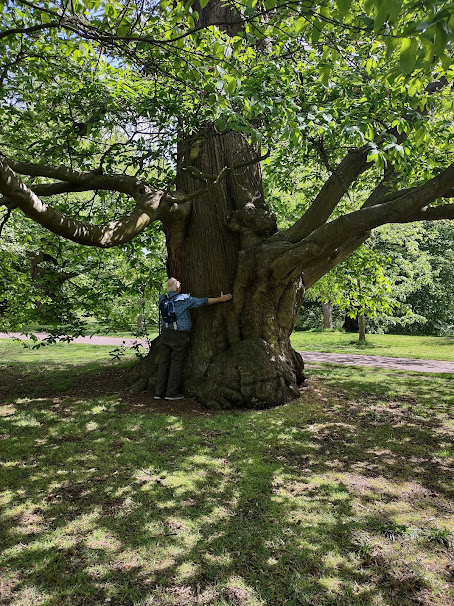
As I sat on a bench, surrounded by trees many generations older than myself, I laid down the book I was reading, and just… breathed. Just breathed and let all the fear and uncertainty of our troubling times flow from me and dissipate beneath the green awning of the trees above. I watched a dozen downy goslings follow their mothers to the lake’s edge and launch themselves into its clear, calm waters. After a time, on the back of yesterday’s theatre ticket, I wrote: The brilliant works of humankind—the Mozart Violin Concerto No. 3 in G, Schubert’s “Ave Maria”, Van Gogh’s “The Starry Night”, Michelangelo’s ceiling in the Sistine Chapel. These things feed my soul. At Kew, the wilds of nature nurture me—I can lose myself in its still, calm, green. BOTH art and nature give rest and re-energize.

A Different Sanctuary

St. Martin-in-the-Fields, on the edge of Trafalgar Square, has always struck me as more of a social center than a church. A religion of community. It offers lunchtime and evening concerts in the nave of the church. It runs a cozy café downstairs, appropriately named “Café in the Crypt.” It hosts art exhibitions curated by charitable orgs. Built sometime before the 13th century, it offered London’s first free lending library and during WWI, its vicar provided refuge for soldiers on their way to France. It has been called “the church of the ever open door.” As Ed and I sat in the nave, enjoying an evening of concertos by Bach, Vivaldi, and Mozart, I picked up one of the donations envelopes dotting the pews. It read: “No matter who. No matter what. We’re here to provide opportunity, sanctuary and support for everyone. We are St, Martin’s and this is what we do.” 

I can only add to that: Amen.

Be Kinder Than Is Necessary

“We make a living by what we get. We make a life by what we give.” (Winston Churchill)

[NOTE: Off to my beloved London, as I mentioned in April, for the first time since 2019. So I’m leaving you with an “oldie.” I hope you will find it a “goodie.” It’s message, I believe, is even more urgent now than it was when I penned it over three years ago. Until we meet here again in July, enjoy the summer. Tank tops and flipflops forever!]

I was driving along in August—98 degrees in the shade, rush-hour traffic inching forward, some Cars tune on the local oldies station—when I noticed a bumper sticker on the Honda to my left: Be kinder than is necessary. Something lifted in my heart. A breeze penetrated the mug. At the next opportunity, I pulled over to the side of the road and jotted down those words on the back of a grocery receipt. Be kinder than is necessary.

To say we live in divisive times is like saying arsenic will kill you. Duh. And there are real issues we must confront attached to these divisions—racism, immigration, misogyny, healthcare, the environment, democracy itself—but that’s in the aggregate. On a molecular level, each of us deals with the butcher, the baker, the candlestick maker—our neighbors and fellow community members. Not cardboard demographic representations. Not a frenzied TheRUMP rally mob screaming “Lock her up!” Or a deluge of polls dividing us 60/40, 40/60, 50/50. But real people with real faces. If we want to build a better world, this is an excellent place to start.

Wax and Wane

Texas Highway Department

Homo sapiens are a quirky little species. We are both caring and cantankerous. Principled and sheeplike. Social and self-absorbed. Among our many tendencies is the kindness we demonstrate in moments of major crisis—natural disasters, wars:

Houston resident Jack Schuhmacher rescued numerous people trapped by the rising flood waters of Hurricane Harvey, ferrying them to safety in his 17-foot fishing boat.

William Rodriguez, a maintenance worker in the World Trade Center, was in the basement of the North Tower when the planes hit on 9/11. Realizing he had keys to all the building’s emergency exits, Rodriquez led firefighters up the stairs, unlocking all the doors as they climbed so the people inside could escape. The building could have collapsed at any moment, but Rodriquez kept going. His bravery saved hundreds of lives on that terrible day.

International Auschwitz Komitee

Hermine “Miep” Gies, her husband, and three other Dutch citizens risked their lives for more than two years to hide Anne Frank’s family and four other Jews from the Nazis. It was Miep who grabbed Anne’s diary in the mayhem of the arrests, keeping it safe until Anne’s father returned from Auschwitz in 1945.

Sadly, the sense that we’re all in this together tends to go dormant once a crisis wanes. People return to insular mode, making a living and looking after their own turf. Petty concerns predominate and rancorous rivalries erupt. Twitter wars ensue. But the reality remains: We ARE all in this together every day. If anything ultimately dooms us, it will be our failure to recognize the truth of this.

Beyond Necessity

Be kinder than is necessary. But, what is “necessary kindness”? Is it merely good manners—holding the door for someone carrying a child or packages, thanking someone who does the same for us? Is it mouthing the expected platitudes in certain situations? I was so sorry to hear that your father died/ I hope you’ll find another job soon/ Wishing you a speedy recovery. Perhaps the word necessary here serves as a synonym for the minimum response required to not be thought rude or heartless. We are busy, busy people after all, and it’s just not possible to extend ourselves to all the need out there.

Until it’s us. Our sorrow. Our disaster. Our need.

Fortunately, being kinder than is necessary rarely involves the sort of mortal risk Miep took in hiding the Frank family. Sometimes it’s just—literally—going that extra mile.

In my student days, while doing a semester at the University of London, several of us decided to go to Paris for a long weekend via the Hovercraft from Ramsgate to Calais. Taking the train to Ramsgate was easy, but we had no idea where the docks were once we debarked. This was in the days before GPS and Smartphones. You got around mainly by asking the locals “Which way?”

The woman we asked for directions in Ramsgate could have reeled off a list of street names and left/right turns, as most people do. But she didn’t. Instead, she offered to walk us to the ferry landing, despite the fact that she was on her way home after a day of work, despite the fact that the docks were in the opposite direction of where she was heading. “It’s only a mile or so,” she said cheerfully, and off we went. I have never forgotten her.

A Simple Gesture Can Mean A Lot

Sometimes that extra shot of kindness is as simple as picking up your phone.

The summer I got into my VW Bug and moved to Boston, I had just written my first novel. I had an IBM Selectric III, but nothing in the way of connections to editors or publishers. About a month after my arrival, I went for a haircut. During the usual salon banter, the hairdresser, Donna, asked what I did for a living. I explained I was the editor of a business publication for retailers, but what I really loved was writing fiction. Then I told her about my novel.

Now, she could have said that’s nice or I wish you luck or how exciting. But instead she said, “My cousin is an editor at Addison-Wesley. They don’t publish fiction but she might know someone working at another house. I’ll give her a call if you like.” I liked and she made the call right then. Her cousin invited me to have lunch with her in Reading (then-headquarters of A-W), at the end of which she called her old college friend, an assistant editor at Random House. My manuscript went out in the mail the next day.

I received a lovely, enthusiastic note about the book from this woman. And though a senior editor later decided not to go with the manuscript, I was really grateful to my hairdresser, her cousin, and the RH assistant editor. It was my first experience wading into the often muddy waters of publishing, and their kind support kept me going.  

Kindness is also about compassion—bending the rules when people need help.

After a health emergency put the kibosh on a trip to London and Sicily—just days before we were scheduled to leave—I was faced with cancelling a slew of theatre tickets or losing a lot of $$$. Our Air B&B reservations and flights were refunded because we had trip insurance for those, but theatre tix always come with the disclaimer that all sales are final, no refunds. I wrote the various box offices anyway, briefly explaining our situation and asking if anything could be done. All but one of the twelve theatres refunded our money, and many wrote words of sympathy, expressing hope that Ed would be better soon. I was deeply moved by their kind notes and willingness to respond in a human way to a human situation.

Paying It Forward: The Ripple Effect

And sometimes kindness with a capital K simply comes down to paying it forward.

Jerry took his first trip to America when he was just 23. Sent by his London employer to represent their firm at a meeting in New York City, he was cabbing to what he desperately hoped was the correct address. Upon sharing his anxiety with the cabbie, he was stunned to hear the man say, “Don’t worry. I’ll wait out front for you while you check it out.”   

Jerry couldn’t believe it. After everything he’d heard about the stereotypical New Yorker—self-absorbed, indifferent—he was blown away by this man’s kindness. “I promised myself right then that I would always seek ways to do something nice for Americans visiting the UK.” 

He told me this story as I was dining out with two friends in a cozy restaurant off London’s Baker Street. Jerry was a regular—knew the owner, the kitchen staff, loved to mix American-style cocktails for the diners. Overhearing us chatting, he came to our table to ask what part of the States we were from, a conversation that lasted well into the evening. And then he offered to take us to Pinewood Studios and show us around. He worked for Lloyd’s of London in their film insurance wing, and was scheduled to for a meeting at Pinewood in the morning.   

We were excited—Pinewood Studios is a legend in British filmmaking. Fiddler on the Roof. The Man Who Would Be King. All of the Bond films. Jerry picked us up from our dorm in Regents Park the next morning and drove us to the studio where we enjoyed a tour of all the major sets and lunch with Pinewood’s director.

Show A Little Faith

When I finally managed to make it through the drive-time traffic last August, I googled Be kinder than is necessary. The full quote, variously attributed, is Be kinder than is necessary because everyone you meet is fighting some kind of battle.

One of the bummer side-effects of our deeply-divided society is the suspicion and uncertainty it breeds among everyone. Rather than nodding and smiling at people we pass, we are now sizing them up at twenty paces—seeking clues from their clothing, hair, make of car, accent, job, vocabulary—and making snap assessments. The anger out there becomes anger everywhere.

Is this making us happier? Is this solving our deepest, most pressing problems?

Categorizing comes easily to our species, but people as individuals are a lot more complicated than that. Yes, we have a swamp of BIG pressing issues and we need to fight for a more humane, just, sustainable world, but if we can’t show a little faith in each other, can’t open our hearts and stand by one another, what hope do we have?

Kindness—it may be a ripple that expands across the globe. That extra effort. That extra step. The opening of our generous hearts. Because we ARE all in this together. Every day.  

Tomorrow and Tomorrow and… Tomorrow

After we’ve had dinner, watched the news, perhaps caught an episode of Mrs. Maisel or Midsomer Murders, Ed and I often read short stories to each other from one of our many anthologies. Several months ago, we shared an extraordinary piece by Willa Cather.

The Story

 “A Wagner Matinee” tells the story of a woman in her early-to-mid 50s. An educated woman who had traveled to Paris and taught music at the Boston Conservatory in her youth. A woman who has spent the past 30 years living in a “grim wooden fortress” (as the narrator, her nephew Clark, puts it) in the wilds of the Nebraska frontier with her “shiftless” husband who she met on a summer trip to the Green Mountains when they were both quite young. After the wedding, he’d whisked her off to the prairie and she hasn’t been further than 50 miles from their farm in the three decades since, until the death of a relative requires her presence in Boston for a few days.

Clark is shocked by his aunt’s weather-beaten appearance when she steps down from the train, her “semi-somnambulant” state. For reasons Cather doesn’t go into, Clark spent a portion of his boyhood on her Nebraska farm helping his uncle ride herd. He recalls his aunt working from dawn to midnight, cooking for her husband and six children, ironing and mending their clothes, while she listened to him recite his Latin declensions and conjugations. She introduced him to the joys of her former life—Shakespeare and Greek mythology—and taught him scales and exercises on the little parlor piano her husband had bought her after fifteen years of marriage, a span of time “during which she had not so much as seen a musical instrument.” My aunt, he says, was the source of “most of the good that ever came my way in boyhood.” But Clark recalls a darker moment, too, a warning his aunt gave as he was struggling to play a complicated piece: “Don’t love it so well,” she cautioned, “or it may be taken from you.”  

Clark has planned a surprise for his aunt—a Wagner program performed by the Boston Symphony—but he now fears she’s too timid to venture out. Her thoughts seem completely consumed by the fear that she’s forgotten to leave instructions about the feeding of a weakling calf or the freshly-opened mackerel in the cellar that will spoil if not quickly used.

As they enter the concert venue, his aunt appears subdued, but when she clutches his sleeve during the Tannhauser overture, he realizes that this music has “broken a silence of 30 years.” And at the “seething turmoil of strings and winds” in the prelude to Tristan and Isolde, he notices her fingers moving, recalling perhaps the piano score she had played long ago. He reflects on the tragic waste of this once lively woman’s life until, suddenly, he hears a gasp as the Prize Song begins and finds his aunt has tears streaming down her cheeks. “It never really died then,” he realizes—”the soul which can suffer so excruciatingly…so interminably, it withers to the outward eye only.”

As the concert ends and the audience leaves, she cries out “I don’t want to go! I don’t want to go!”, and Clark recalls that for her, just beyond the concert hall is a future of “the tall, unpainted house, the cattle-tracked bluffs”, the turkeys picking up refuse outside the kitchen door.

What It Has to Say to Us

Reading Cather’s story, I was reminded of one of the most profound observations I’ve ever encountered, a quote from author Annie Dillard:

How we spend our days is, of course, how we spend our lives.

For Clark’s aunt, the days of a talented musician, a lover of literature and the arts, have been entirely consumed by menial house and farm chores in a life she shares with a man she doesn’t love in a place devoid of everything that had once sustained her soul, everything she truly cherishes. It doesn’t get much grimmer than that.

And yet, how often do we allow the tedium of things we don’t really care about to smother what truly ignites our passions? We promise ourselves we’ll get back on track, back to (fill in the blank with what matters most to you, the things that bring your life joy and give it meaning) once the kids are more independent/things slow down at work/the house is in order/we’re earning more money/we’ve ended an unfulfilling relationship. In view of the Cather story, I’ll call this state of limbo “life in Nebraska” (apologies to any Nebraskans reading this; it’s just a metaphor). Samuel Beckett called it Waiting for Godot. If you don’t know the play, let me give you a hint: Godot never arrives.

In the past two years and counting, for many—maybe most—of us, life has too often felt like it was on hold while we waited for “normalcy” to return. Waited for the life we really wanted to live/meant to live/would enjoy living to resume or at least begin. And while we waited, we filled our anxious days binge-watching the endless stream of series on Netflix, Hulu, Amazon Prime. We posted on Facebook and tweeted on Twitter. This, we could console ourselves, was at least better than getting lost in opioids or drowning in alcohol. Or putting a gun to our head and pulling the trigger. But, really, it was just another version of “living in Nebraska.”        

And if we somehow dredged up the energy to do/enjoy what matters most to us, we often found our plans sidetracked, our energy subsumed by untangling the mess the pandemic made of most every interaction with the outside world. Hours spent straightening out health insurance claims, searching for available vaccine appointments, cancelling reservations, making reservations, getting a driver’s license, registering to vote, enrolling in almost anything from college to Medicare. Nothing drains energy so quickly as feeling thwarted at every turn. Like Clark’s aunt, lost to the more robust life we’d once enjoyed, we hunkered down and waited for a better day. Tomorrow, we promised ourselves, tomorrow I will get back on track.
But like Godot, tomorrow never comes. It is always today, always NOW. This is our life. And it’s going by whether we grab it and live it or not. Energy isn’t really about the time we have—we’ve had long stretches of time since the pandemic first hit. It’s about the use we make of those hours and days. Energy breeds energy. Use it or lose it.

I’m not writing of this from some lofty perch. Throughout the pandemic, as the pace of global warming quickened and the threats to democracy here and around the globe increased, I daily talked myself down from the ledge and pushed ceaselessly to get words down on paper. But limbo is a strange place to write from. To live from. Everything was tinged with anxiety, and fighting that anxiety consumed enormous energy. I usually rip through a first draft—just write, write, write. Revision is for improving, polishing, and you can’t revise what you haven’t written. Underneath all this—the biggest stress, I realized—was the sense of my life going, going, and what was I doing with it? In early April, the birthday fairy dropped another one on me and I decided I must simply plow ahead. Just do what I love because I love it. No second-guessing. No worries about the outcome.

So, if any of this sounds familiar to you, I say it’s time we make a pact to get the hell out of “Nebraska” and resume or start the life we mean to be living. Get off the couch, turn off the Facebook/Instagram/Twitter notifications, and as Nike advised: Just do it! So that, at the end of each day, we have the sense we have lived that day. If we can manage that, then according to Dillard’s wise observation, we will spend our lives living.

Traveling in Covid Times: A Comedy of Sorts

Ed and I are travelers. As in, world travel is our passion. As in, our front porch steps are sagging and there’s a hole in the plaster in the living room, BUT every free dollar we can muster is earmarked for travel. We’ve even been known to book an AirBnB for the “next trip” while still enjoying the jaunt we’re on. (Well, Ed’s been known to do that. He’s a tad crazier than me.)

Anyway, you can see how the entire COVID mess put quite the kibosh on our wanderlust. In 2020, we had to cancel two vacations we’d booked just months before the pandemic hit—our annual excursion to my beloved London and a trip to Rome and Sicily. In 2020, the furthest I ventured from home was the supermarket three blocks over.

With 2021 came vaccines. We celebrated with two short getaways, one to favorite seaport town, Portsmouth, New Hampshire; the other to New York City. And then, fully-vaccinated and boostered, we laid the groundwork for our next adventures. 2022! Time to break out of the States and reconnect with the world. Three weeks in Barbados, a month in London, and five weeks on the Normandy Coast with a side of Paris. Sure beats the produce aisle at the supermarket.

And Then …

We booked our usual direct flight from Boston to Barbados. Reserved a flat within easy walking distance of all the local places we love and bus links to every beach up and down the island. We were PSYCHED!

Then Delta cases surged in the fall. By October 1, the State Department’s list of not-so-great-places-to-travel included … Barbados. Ed wavered a little, unsettled by all the stories that immuno-compromised folks weren’t getting much protection from COVID vaccines, but I was less daunted. The variants always peak after two months, I pointed out. By January, we’ll be fine. Barbados, I reminded him, is an outdoorsy place. Beaches, restaurants, cafes—all open to the air. [Note: This is one of the many perks of a really good marriage. I worry about stuff that doesn’t trouble Ed and vice versa. We catch each other in free fall.] During a drinks-and-nosh gathering of neighbors, we put it to a vote. Everyone said: GO. Ed got a second booster in November and an antibodies test. The doctor congratulated him: “My man, you are superimmunized!”

We were on.

And then Omicron struck. By December, tracking the requirements to enter Barbados was like watching the ticker tape of a volatile stock market. Things changed daily if not hourly, but finally stabilized—if I can use that term loosely—around three musts:

1) you had to register your travel plans and residence on the island with the government;

2) you had to present proof of a negative PCR test (not the quickie kind) administered within 72 hours of your landing on the island;

3) you had to schedule a test at a Barbados lab for the day before your return flight (a U.S. requirement for re-entering the States). 

We did #1 and #3—easy enough—and received a load of QR codes via email confirming these things. We uploaded the codes onto our phones to show folks at the airport so they’d let us onto the plane. (Ed did most of this, so for me—haha—it was relatively painless.) We also prepared a folder of the QR codes in hard copy in case our phones failed at some critical moment, as U.S. phones abroad are apt to do.

Get Me To The Test On Time

At this point, it was all down to getting that must-have PCR test. As I think most of us know, until very recently the U.S. has not exactly been on top of the COVID testing situation. I mean, Biden has done A LOT and thank god he won or we’d still be suffering the Orange Troll’s exhortations to “Drink bleach!”, but testing availability of the kind we needed was still in the roll-out stages late last fall.

Finally, in early December, our local Walgreens began offering drive-up PCR lab tests. The caveat was that appointment times were only released a few days in advance, AND as we were flying on a Sunday, landing at 1 pm, that meant getting the test in the afternoon of the Thursday prior between 1 pm and 3 pm AND getting our results back before the lab closed for the weekend.      

Meanwhile the airlines began canceling flights. Like a lot of flights. Like thousands over the course of December. Omicron-related staffing shortages, a couple of severe storms, and bargaining between airline owners and workers over wage hikes made everything a toss-up.    Our airline did contact us to say they were no longer offering a direct flight from Boston to Barbados. We’d have to take a 3:45 a.m. (!!!) flight from Boston to New York, sit around for four hours, then get another flight to Barbados. Our 4 ½ hour direct was now a 10 ½ hour “slow boat.” We adjusted our yet-to-be-booked PCR test window from 1pm – 3pm to 3 pm – 5pm, leaving us even more scrunched to get our results from the lab before the weekend.   

Unsplash: Scott Graham

As the holidays wound down, the leftovers dwindled, and family returned to their homes, we started watching the Walgreen’s online appointments sked in earnest, checking the instant we awoke each morning. On January 2, we finally got the green light. There were three appointment slots for the must-have time frame on Thursday. To book two of these, we needed to fill out an agonizingly long form, where every second I was aware that others were doing the same and might finish before me and snare those precious slots. But, in a stunning surprise, for practically the first time since COVID started, something actually went right. We got our requested slots and celebrated by uncapping the Remy Martin Ed gave me for Christmas, raising a snifter to good times in Barbados.

Fifteen minutes before our Thursday time slot, we pulled up in the Walgreen’s lot and it was chaos central. Cars circling around for a parking space. Cars lined up for the drive-through window. And one car parked at a peculiar angle, blocking us from either joining the line or pulling around it to see what was happening. The couple inside looked dazed. Ed went over to talk to them. They’d arrived not expecting to find all this traffic and had become immobilized as to how to back up and get out of there. Ed helped them reorient (without banging into us). Then he went into the store to find out what was going on. By the time he came back, five of the seven cars had left the line. Ten minutes later, we were at the window. The guy overseeing the testing handed us each a kit with two very long nasal swabs, capped tubes, and pre-printed ID labels. We dutifully jammed those swabs, as instructed, into our nostrils until they touched our prefrontal cortex and gave them a twirl. Then—pop!—into the tubes, capped, labeled, and away we drove. Now, if we could just get our results in time…  

On Friday, we paused in our packing hourly to check in with the lab. Finally, near midnight, they arrived. Both tests were negative. We transferred the docs to our phones. We printed them out. We were ready to roll!

Two Hours of Sleep and a Mini Packet of Chips

Because the flight to Barbados was leaving at 3:45 a.m., we drove to Boston the day before and stayed at a hotel near the airport. This meant that, in early January, we had to hope for two consecutive days of good weather in the northeast, LOL. But, perhaps sensing that we were just a short hop-skip from meltdown mode, the weather cooperated. We arrived at our hotel, had dinner, slept a couple of hours, got up, showered, and hauled the luggage down to the lobby to get the hotel van at 2:30 a.m. We had settled this with the concierge the night before, but now we had a different concierge—the graveyard shift concierge—and he was nowhere near as obliging as the check-in staff had been. He informed us that “Van service doesn’t start until 3:30 a.m.”, fifteen minutes before our plane was skedded to fly, fly away. So…we hopped a cab.

Less than half awake, when the cabbie asked us where we were flying to, we said Barbados, so he dropped us off, not unreasonably, at the lower level of the international terminal. We should have said New York, which was our first destination and which, of course, was not international. A word of advice: Never try doing anything that matters on two hours of sleep. 

Unsplash: reisetopia

I cannot describe to you just how deserted the basement of the international terminal was at 2:45 a.m. We rode up an amazingly steep escalator into a huge empty hall. By this time, we realized our mistake and started searching for signs to domestic flights. I had seen a man downstairs riding a floor-cleaner thingie and went in search of him. He turned out to be extremely helpful, directing us to the place we needed to be, down many long miles of automated walkway to the check-in counters.

Finally, like Dorothy catching her first glimpse of the Emerald City, we spotted the promised land: American, Delta, Jet Blue. We got boarding passes from machines (god, I miss the days of real people), handed over our luggage, and a man scanned our Barbados gov QR codes—the ones required to board the plane. Thinking our troubles were over, we headed for security.

Unsplash: Madeleine Maguire

I … have … never… seen … such …lines. Several hundred people stretched in an unwieldy queue ahead of us in a hallway outside the room where another hundred or so people waited to reach the security conveyor line with its little baskets. Our flight was leaving in 45 minutes.

At last, we boarded the plane. Hallelujah! Since it was a short hop to JFK in New York, and just 4:00 a.m., there was no food, but I managed to score an OJ. In New York, we were shuttled to another gate bordered by a lone kiosk that offered pre-packaged stuff—mainly, dried-up sandwiches and candy. We thought, OK, we’ll buy a sandwich on the plane.

When they called our flight, we found ourselves in a line where a man was checking passengers to verify they had submitted their Barbados government QR codes. Since we had done this in Boston, we breezily told him our names, BUT they were not on his list. We had to dig around in the carry-on and hand over the hard copy QR codes before he was satisfied.

But what the hell, we were on our way. After stowing our carry-on in the overhead bin, we eagerly scanned the info folders in our seats to find the list of food items we could buy on the plane. There weren’t any. Nada. They did hand out tiny, tiny packages of crackers which we gulped down. Don’t laugh, it would turn out to be the only food we ate between dinner Saturday night in Boston and dinner Sunday night in Barbados.

As the plane rose over New York and headed out to the Atlantic, I searched the movie offerings and settled in to watch The Devil Wears Prada through foggy glasses, courtesy of the required N-95 masks. Well, I’ve been doing my grocery shopping in the same foggy condition for two years, and the only real tragedy was once mistaking fresh parsley (which I loathe) for cilantro (which I love). Swallow your losses and move on.

Not So Fast

At last, amid sunshine and a balmy 82 degrees, we touched down in Barbados. YES! All prior annoyances, worries, gummed-up messes would soon fade to the sounds of reggae playing over warm sands as we read beneath beach umbrellas, rum punch in hand, between dips in the clear blue ocean.

We sailed through passport control and queued to show our PCR test results. A very serious-faced woman was working her way down the line, checking these. When she got to us, I proudly whipped out the appropriate docs from our encyclopedic folder and presented them. She looked them over, her frown increasing. I pointed to the NEGATIVE on both our tests. She continued frowning. “You must go in that line,” she informed us, pointing to a queue some 80-90 folks long—fully a third of the plane. “But why?” I stammered. “We both had the right test and we both have negative results.” “Your papers. They don’t say ‘nasal-pharyngeal.’,” she replied. “They must have the words ‘nasal-pharyngeal’ to prove the test was the right one.”

Exhausted, starving, and fed up with bureaucratic BS, I was tempted to ask where the hell did she think we’d inserted those footlong cotton swabs if not in our “nasals”, but I wanted to get out of the airport, into a taxi, and onto the beach, so I kept my witty remarks to myself, joined the others, and waited. It transpired that while we were enjoying our brief nap in Boston the night before, Barbados officialdom had once again changed the entry requirements to say all PCR tests must now be clearly marked “nasal-pharyngeal.” 

An hour later, Ed and I were ushered into a small cubicle where several nurses were—surprise—inserting cotton swabs into nostrils. We did the test—a quick result variation of the lab-certified one we’d had back home—and then went into a new room to wait. Clutching my winter coat—which I’d shucked the moment we’d touched down—I stared through the plate glass walls at the warm blue sky beyond, a world where people, free happy people, wheeled their luggage to waiting taxis, and dreamed of a future where I might join them.

At last, a woman came out and said, “You can go.” That was it. Prisoners no more, we donned our green “OK” cloth bracelets proclaiming us COVID free to the world. As the taxi took us along familiar highways and roundabouts, a welcome breeze blowing through my hair, I thought “We made it. WE MADE IT!” All the waiting and hoping and worrying and documenting of the past three months vanished like a line in the sand erased by the sea.

Always Another Surprise!

I’d like to say that for three delicious weeks, we never had to give another thought to COVID, but there were a couple more hiccups. For the first eight days, we beached and swam and walked and read and dined and drank and stared at the millions of stars that dot the night sky on a Caribbean island. Then, on Day Nine, Ed woke up with the sniffles. Just a cold. He often gets them when we travel. But Barbados had temperature checks everywhere—all shops, all restaurants, all beaches, and our apartment complex. If Ed’s cold should spike his temp just a degree or two, we would be quarantined until a lab test came back negative. We had tix for an 11:00 a.m. tour of the Mount Gay Rum Distillery that day. I spent the intervening two hours talking myself down from all the what-ifs, and took a deep breath as we approached the distillery’s check-in gate. We both clocked in with normal temps. Whew! To give Ed time to recoup and avoid ratcheting up the nerves again, we ate take-out that evening on our lovely, airy balcony. No temp checks!     

This last has nothing to do with COVID, but when we arrived at the airport to fly home, plastered across the front of the ticket counters were signs saying All flights today cancelled. In the nanosecond before cardiac arrest hit, a fellow traveler informed me the signs were from the day before—no one had bothered to take them down. So, in fact, Ed and I were truly lucky. Had we skedded our return for the 29th—when snowstorms closed all airports in the Northeast—instead of the 30th,  we’d have been screwed. On top of that, we learned we could exchange our tickets for a direct flight to Boston—six hours late because of the prior day’s bad weather, but hey, no long layover in New York. As the Bard would say, All’s well that ends well. And you know what? I’ve already booked the theatre tickets for a dozen great plays in London.
THE WAR ON BOOKS

“Those who can make you believe absurdities can make you commit atrocities.” (Voltaire)

[Note: I won’t kid you, this is a long post. I repeatedly considered what might be cut, but never did so because all parts of it feel vital in this moment. As vital as the fight to protect our integral freedoms—the right to read, to think, to speak; the defense of democracy for all Americans, not just the privileged few. If you can’t read it in one go, I hope you’ll return to finish. I’ve given most of a month of my life to researching and writing it. When weighed against what we stand to lose, though, that seems precious little. Here goes:]

In the heyday of the House Un-American Activities Committee, the Hollywood Blacklist, and Senator Joe McCarthy’s famous political “witch hunts”, author Ray Bradbury penned his most enduring work, Fahrenheit 451, a cautionary tale about a future America where books are forbidden and the state employs firemen to track down and burn every book they find—as well as the homes of their owners. It’s an image that’s been invoked over the seventy years since the book’s publication to warn against those who would censor our freedom to read.      

As it turns out, Bradbury was spot on. The fascist censors are on the rise once again. 

Last month, in a Nashville suburb, in an event livestreamed on Facebook, people tossed books into a bonfire, cheering as copies of Harry Potter, the Twilight series, and other books went up in flames. Books deemed “demonic” by Greg Locke, head pastor of Global Vision Bible Church.

“We’re not playing games,” Locke stated on Facebook. “Witchcraft and accursed things must go.” Posting on Instagram, he added, “All your Twilight books and movies. That mess is full of spells, demonism, shape-shifting and occultism.”

Like all fascist bullies, it’s my way or the highway with Locke. A pro-Trump conspiracy theorist (surprise!), he countenances nothing outside his own rigid belief system which includes turning away any churchgoer who dares to wear a mask and claiming that kids with autism are possessed by demons.

First They Came for the Books, Then They Came for the People

The banning of books, the burning of them, in an attempt to destroy the ideas they contain, is nothing new. In May 1933, the National Socialist German Students’ Association, a staunch supporter of the Nazi movement, publicly burned some 25,000 books in 34 university towns and cities. Books they claimed were “un-German”, i.e., those penned by Jewish, leftist, and liberal writers. Joseph Goebbels, Hitler’s Reich Minister of Propaganda, stirred a crowd of 40,000 in Berlin, declaring, “No to decadence and moral corruption! Yes to decency and morality in family and state!”    

United States Holocaust Memorial Museum, Holocaust Encyclopedia

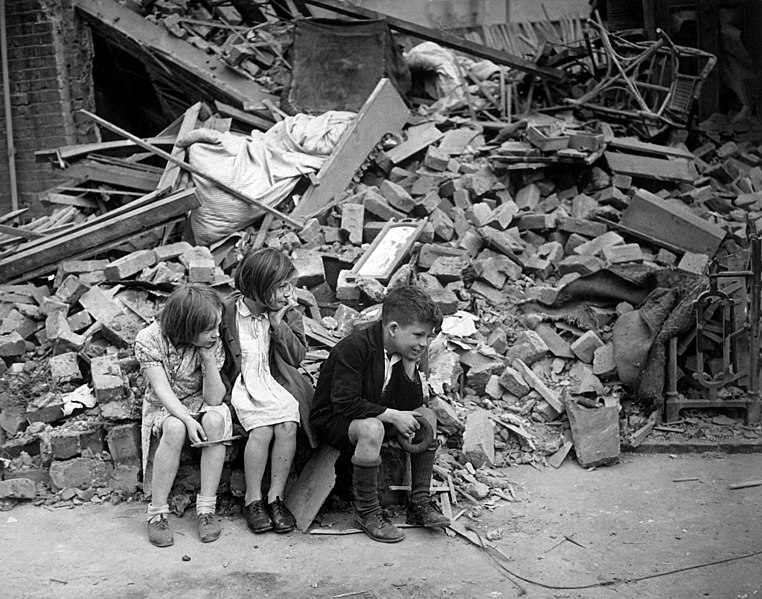
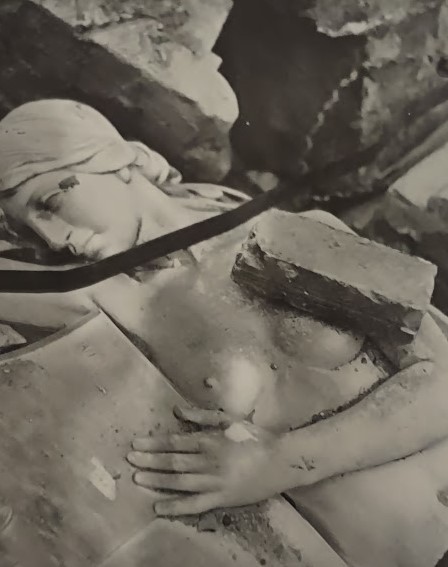
The book burnings were theatre, the opening salvo in a war to obliterate everything—and everyone—the Fuhrer deemed a threat to the state: Jews, leftists, homosexuals, intellectuals, people with physical or mental disabilities.

In the wake of the bonfires, the Nazis raided bookstores, libraries, even publishers’ warehouses, and confiscated all works blacklisted by the German Students’ Association—books by writers such as Bertolt Brecht, Erich Maria Remarque, Karl Marx, Ernest Hemingway, Theodore Dreiser, and German son, Thomas Mann, who had won the Nobel Prize for Literature just four years earlier. Even Helen Keller did not escape censure. The Nazis loathed her outspoken support for people with disabilities, for the rights of industrial workers and women, her pacifism—all were anathema to those sporting Hitler’s swastika.

International reaction was swift to condemn the book burnings as barbaric acts, unseemly in a modern civilized society, a dangerous portent for the future. And they were right. Yet here we are again. Not in Hitler’s Germany, but in the good old U.S. of A.

The State of Book Bans in the U.S.

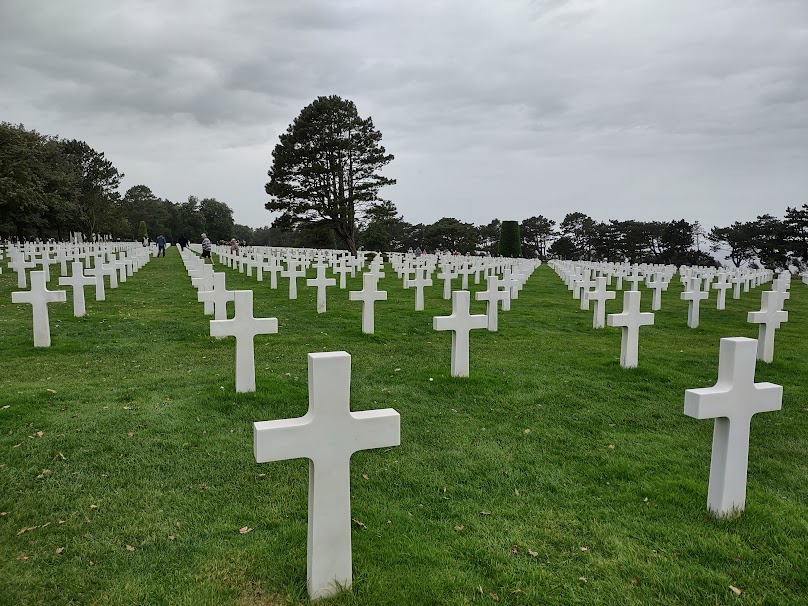
Despite America’s involvement in a world war to defeat Hitler—a war that claimed more than 400,000 American lives—and a First Amendment to our Constitution that protects freedom of speech, the banning of books, books considered “un-American” (oh, the irony!), has a long and troubling history in the “land of the free.” No sooner had Eisenhower wiped the mud off his boots from serving as Supreme Commander of the Allied Expeditionary Force in Europe and assumed the office of President, then his Department of State got down to the business of removing all books by “Communists, fellow travelers, et cetera” from the 230 U.S. libraries and information centers overseas. Libraries established during World War II “to function as model public libraries abroad and operated on the principle of free access to printed materials for everyone.” Libraries originally dedicated to “providing books by writers banned under the dictatorships we had fought a great war to defeat.”

Among the books pulled from the shelves were poems by Langston Hughes, writer, social activist, and a leading light of the Harlem Renaissance. “What happens to a dream deferred?… ”

Race Problem? What Race Problem? 

Almost seventy years later, we are seeing efforts to ban books on a scale that Hitler’s German Students’ Association would salute. The American Library Association reports that last fall alone, a record 330 books were challenged as “objectionable”, up from 156 for all of 2020. In her twenty years with the organization, Deborah Caldwell-Stone, director of ALA’s Office of Intellectual Freedom, “can’t recall a time when we had multiple challenges coming in on a daily basis.” Small wonder when people like Texas state Rep. Matt Krause are calling for a review of 850 books he believes should be pulled from the shelves of the state’s school libraries.  

The uptick in challenges began with last year’s push by far right GOP officials and lawmakers to stop teachers from talking about diversity and racial inequality with their students, a  push that quickly morphed into real legislation banning all books, articles, or classroom discussion about America’s racism. Between then and now, fourteen states have passed laws restricting or forbidding the teaching of Critical Race Theory. Another twenty-two states have restrictions or bans in the offing. And just what is this heinous theory threatening to teach our impressionable youth? That racism is built into our very structure, perpetuated chiefly through laws and policies rather than individual acts. Heavens to Betsy—fetch me the smelling salts!

It’s a telling moment in our history as efforts to expand voting rights for people of color are being crushed, while efforts to crush the discussion of racial inequality are expanding. And what it’s saying is: America belongs only to some of us. The rest of you can just sit down and shut up.

If We Silence You, You Don’t Exist

The second major target of Republicans is any book dealing with LGBTQ+ themes or characters. In late January, the mayor of Ridgeland, Mississippi, Gene McGee, threatened to withhold more than $100,000 in funding from the Madison County Library System—funding already approved in the city’s budget for 2022—until all such books were stripped from the shelves. Those books, McGee told Tonja Johnson, the executive director of the MC Library System, go against his Christian beliefs. To date, Ridgeland has withheld two payments, Johnson said.

Among the books are Katherine Locke’s What Are Your Words?, which shows kids how to ask about and use preferred pronouns with other children. Another book, Lori Starling’s Toby Wears a Tutu, encourages kids to love and esteem who they truly are, even if they don’t fit neatly with the stereotype—a boy who enjoys ballet lessons, for instance. Johnson said though four people complained about the books in September, no one had officially insisted on their removal. Until Mayor McGee.

Mississippi is not alone in holding badly-needed funding hostage to demands for library-cleansing. In more than a dozen states, legislators have passed or proposed bills requiring schools to provide a list of every book, excerpt, and activity teachers use in the classroom, a demand educators say would be costly and burdensome. But the price for non-compliance is the withholding of funds from our already underfunded public schools.   

Some of these bills even mandate that schools give parents veto power over new curriculum and library purchases. Worse still, are the bills that allow parents to sue a teacher who brings any verboten material into the classroom. As a former teacher, I ask this question in all sincerity: We already have a serious shortage of teachers. Who among them, earning, say, $35,000 a year, would risk continuing in a job where some fascist arsehole can sue them for mentioning Martin Luther King, Jr., or the existence of LGBTQ+ folks?     

Parents, as it turns out, are extremely useful in the far right’s push to purge our schools of anything resembling free thought.  

Getting Parents Riled Up to Ban Books

Far-right parent groups like No left Turn in Education and Moms for Liberty have become a major force in the war against the freedom to read. Among the demands Moms for Liberty is pushing are bans on lessons about Martin Luther King, Jr., and Ruby Bridges (too divisive), lessons about civil rights confrontations (too negative in their portrayal of police), and anything to do with Galileo, they insist, must have a pro-church makeover. Poor Galileo. He took it on the chin from the Roman Inquisition in the 17th century for supporting heliocentrism—you know, Copernicus’s theory that Earth rotates daily and revolves around the sun. Nonsense! the Inquisition replied. Not what Holy Scripture says! They sentenced him to house arrest until the end of his days. Now, four centuries later, the Moms want to silence him again. Or at least give him some sort of flat-earth makeover.

It might all be sadly funny—the ravings of crackpots—if it weren’t for the influence the group commands online. The long list of verboten books Moms for Liberty posts on their Facebook page has distraught parents huffing into school libraries and demanding that librarians tell them whether books about these filthy subjects are on the shelves. [It’s interesting to note here that Moms for Liberty has also been waging war on school mask mandates.]  

The power of such groups is receiving a boost from far-right candidates across the country. Recently-elected Governor Glenn Youngkin of Virginia, for example, made parental oversight of books in the classroom a BFD in his campaign, running an ad that featured a distraught parent wailing about the horrors of her high school son reading Toni Morrison’s Beloved in a college-level English class. But as one Black parent noted, “They’re packaging some of these laws as ‘parents’ bill of rights.’ What parents? Because my daughter is entitled to see her culture and her heroes, people who look like her, in the curriculum, too.”

The Power—and the Threat—of Orwellian Doublespeak

No Left Turn in Education seems to head up an even oilier operation, if their website is anything to go by. The site opens with a “vision” statement: A future education where appreciation of American founding principles is fostered, family values are preserved, and every individual can pursue truth, virtue, beauty and excellence.

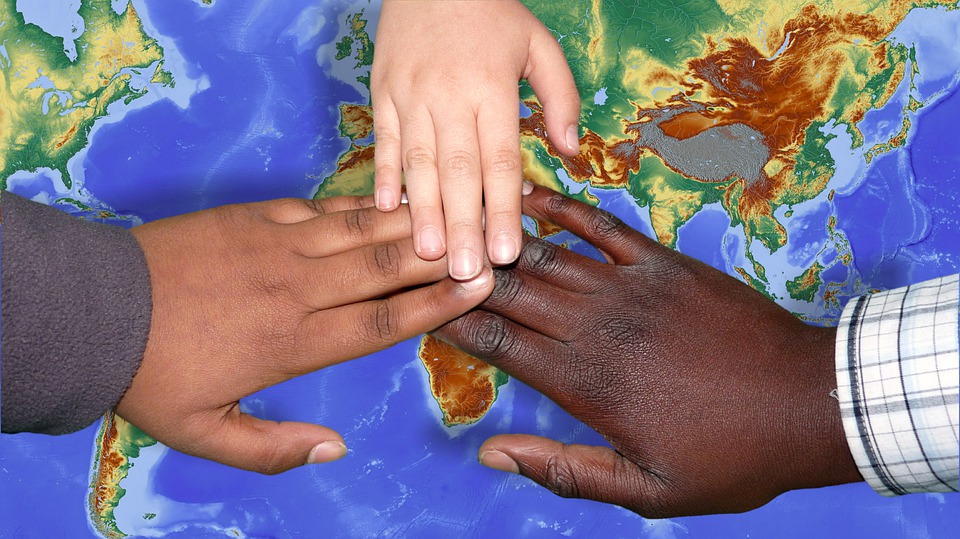
Scroll down through a series of subtopics “Educating”, “Empowering”, “Engaging” to find a cute video capture of two preschool girls—one white, one black—holding hands. This is one race. The human race, the caption reads. The capture, itself, is from a CBS news video wherein the little girls insist they are twins. “We have the same soul,” they tell the reporter. Ah, a sweet video to suck you into No Left Turn’s message: That all this messy business about racism in America is just ginned up by the left.

If that’s not clear, then wait for the fade to the photo of Martin Luther King, Jr., with his words: The function of education is to teach one to think intensively and to think critically…” The page then morphs to a screen with the words: MLK not BLM. Okay, we’re getting closer to the truth about No Left Turn here.

The real whallop comes when you click on the menu bar. Get the Facts, for example, calls up these zingers: Leftist indoctrination in our K-12 public schools; North Korean defector compares Ivy League campuses to living under Kim Regime.

No Left Turn avows that: Our fight is not over until malleable young minds are free from indoctrination that suppresses independent thought. Right, just ban all books used to “spread radical and racist ideologies to students”, books like Howard Zinn’s A People’s History of the United States, Ijeoma Oluo’s So You Want to Talk About Race,and Sherman Alexie’s The Absolutely True Diary of a Part-Ime Indian (among many others) and everything will be hunky dory.  

No Left Turn’s website is a masterful tapestry of Orwellian doublespeak, reminiscent of the Republican National Committee calling the violent January 6th attack on the Capitol “legitimate political discourse” when it was, in fact, sedition. Which is a crime.

The slide into fascism is made frighteningly smooth by such doublespeak. It confuses people. As George Orwell said in his prescient novel, 1984: The Party told you to reject the evidence of your eyes and ears. It was their final, most essential command.

Or, as Trump told a group of veterans in July 2018: “Just remember, what you are seeing and what you are reading is not what’s happening. Just stick with us, don’t believe the crap you see from these people, the fake news.”

What’s at risk? The stifling of free thought; the silencing of ideas not conducive to the interests of the rich, not in line with a male-dominated, white-powered world; the invalidation of people of color and those who identify as LBGTQ+. Censorship is a cornerstone in all fascist societies where any dissent is met with threats, imprisonment—or a bullet.

The Birth of the ALA’s Library Bill of Rights

Every September for the past thirty years, the American Library Association has celebrated Banned Books Week, honoring all the books that have ever been banned from libraries and classrooms.

“Politics, religion, sex, witchcraft — people give a lot of reasons for wanting to ban books, but most often the bannings are about fear,” said Judith Krug, ALA’s director of the Office for Intellectual Freedom from 1967 until her death in 2009. “They’re not afraid of the book. They’re afraid of the ideas. The materials that are challenged and banned say something about the human condition.”

Unsplash: New York Public Library 1939

John Steinbeck’s novel, The Grapes of Wrath, is a classic example. Published in 1939, it depicts the harrowing plight of the Joad family—poor tenant farmers from Oklahoma, driven off their land during the Great Depression by drought, bank foreclosures, and an agricultural industry moving toward the big and greedy. Despite winning the Pulitzer Prize, the book’s championship of the right of laborers to organize did not sit well with rich landowners who exploited poor and downtrodden folks like the Joads, and the book was banned in a number of places including Kern County, California—a spot depicted in the novel where the Joads live for some time in a migrant camp.

Kern County librarian, Gretchen Knief, alarmed at the county supervisors’ decision to ban the book, risked her job by writing a letter in protest. “It’s such a vicious and dangerous thing to begin,” she wrote, “… banning books is so utterly hopeless and futile. Ideas don’t die because a book is forbidden reading.” Knief’s plea fell on deaf ears in the moment, but Krug claimed the banning of the book was a seminal event in creating the ALA’s Library Bill of Rights, a document that says, among other things, that: Libraries should provide material and information presenting all points of view on current and historical issues. Materials should not be proscribed or removed because of partisan or doctrinal disapproval. 

Defending the Freedom to Read

That fight for the right to read whatever we choose—the one Gretchen Knief championed—is being challenged in America today on a scale surpassing even that of the post-war “Red Scare” of the late 1940s/early 1950s. But, thankfully, people are standing up, raising their voices, fighting back for that freedom. For the freedom of ideas.

Voters of Tomorrow, a youth-led activist group, is sending hundreds of copies of Art Spiegelman’s Maus and Toni Morrison’s Beloved—two books high on the list of targets for removal from schools—to students in Virginia and Texas.

“There are people who would rather not have conversations around these books because they address legacies of racism and fascism that are still alive today,” says Maya Mackey, head of the group’s Texas chapter. “In order to have a truly educated society and democracy, we need to have conversations around books like these.” [In a heartening note, sales of Maus skyrocketed on Amazon after the book was banned.]

Colorado’s Governor Jared Polis, the first openly gay man to helm a state, condemned the anti-LGBTQ+ legislation being promoted in states like Florida, where Republicans are advancing a bill that would ban discussions on sexual and gender identity in the classroom and require teachers to inform parents if their child identifies as LGBTQ+.

“Words matter. Laws matter,” Polis told a CNN interviewer. “When a group of people, LGBTQ youth, feel targeted by the words and laws that some politicians espouse… it can increase anxiety, depression.” Indeed, a recent poll reports that 85% of transgender and nonbinary teens say the deluge of anti-trans bills has negatively affected their mental health.

A group of Texas school librarians, enraged at the politicians and parent orgs leading what the librarians call “a war on books”,  have formed “#FReadom Fighters” to resist all efforts to remove books from school libraries and dictate the parameters of classroom discussion. The group bombards Texas lawmakers with emails and tweets. To spread their message and encourage others to take action, their website, https://www.freadom.us/home, sells I support #FReadom T-shirts, hoodies, and tote bags.     

The National Coalition Against Censorship has condemned this “sudden rise in censorship and its impact on education, the rights of students, and freedom of expression.” The law, they argue, “clearly prohibits the kind of activities we are seeing today: censoring school libraries, removing books–and entire reading lists–based on disagreement with viewpoint and without any review of their educational or literary merit.” The NCAC’s statement was signed by hundreds of organizations, publishers, bookstores, and individuals, including the American Civil Liberties Union who is currently representing two students in a class action suit against St. Louis, Missouri’s Wentzville School District for its removal of eight books from school libraries, among them Toni Morrison’s The Bluest Eye. The suit claims the books have been banned because they portray people of color and/or LGBTQ+ folks.    

Earlier, I mentioned Ridgeland, Mississippi Mayor Gene McGee—the dude who was holding hostage $100,000 in funding budgeted for the Madison County Library System until they agreed to strip the shelves of books that conflict with his religious beliefs. Well, there’s a hero in that story. His name is Jerry Valdez and he’s the president of MCLS’s board of trustees. The books McGee ranted about are all back on the shelves now and in circulation, funding be damned. “The public library is the institution in our society that attempts to provide a diversity of viewpoints on a wide range of topics of interest … no matter how controversial or objectionable those ideas may be to some people,” Valdez declared.     

For the Love of Books

In many ways, books have been my life. The reading of them, the writing of them, the sharing of them with others in critique groups and book clubs. I still enter a bookstore with the kind of anticipation a five-year-old brings to a candy shop. I still crack the spine of a new (or used) book with the hope of being transported, challenged, changed.

The attempt to kill ideas by fire, legislation, or suppression—it’s been around for over a thousand years, predating even the printing press. Manuscripts written by the Greek and Roman authors of classical antiquity—Aristotle, Cicero, Virgil, Lucretius, among many others—were left to molder in dank basements of monasteries (monks were the primary copiers of manuscripts in the Middle Ages) because the Church frowned on their talk of science, of atoms, of life not eternal but perishing with death. If it weren’t for the Renaissance of the 14th century, with its passion for humanism, its thirst for the lost works of the classical world, and the determination of men like Poggio Bracciolini to recover them, all those books might have been buried forever under the weight of the Church’s insistence on the non-negotiability (as Thomas More called it) of divine providence and the soul’s eternal existence.

I learned about these struggles in the pages of two marvelous books: Stephen Greenblatt’s The Swerve and Ross King’s The Bookseller of Florence. I’m grateful to both of them. History always illuminates the present.

If you are appalled by this latest fascist campaign to silence the freedom to read, the freedom to discuss, I urge you to make your feelings known. Talk to your local librarians, your local booksellers, your town’s school board members (even if you have no school-age kids). Write a letter to the editor of your local paper. Or any paper for that matter. Contact your reps and senators at both the state and federal level. The freedom to read literally, sooner or later, becomes the freedom to live.    

I leave you with a song. It’s not directly about banning books, but it does celebrate the power of organizing, of standing together against those who would take away our rights, our freedom, our democracy. Now, go read a good book!