
There is no such uncertainty as a sure thing. (Robert Burns)
April, being my birth month, is the time I usually regale you with the Big Stuff I’ve learned travelling life’s bumpy road in my eternal quest for grace—which I define as that ability to remain calm and carry on no matter what. And without overdosing on the antacid tablets.
This year, I’m focusing less on the bumpy road and more on the GIGANTIC pothole that threatens to swamp us all. I think even Thomas Paine would agree we don’t lack for soul-trying times. As The Nation headlined its March 13, 2020 issue: “Our Worst Crisis Since 2008 … and We Have an Idiot at the Helm.” No **** Sherlock. Which is an apt comment, as I sit here penning this in March, because the Corona virus madness has made toilet paper the new holy grail. You may search far and wide without finding a single roll.
Could someone please pass the antacids?

Anyway, I was driving along the other day, immersed in concerns of pandemic proportion as well as my own pathetic little pile of personal troubles, when the Eagles’ Take It Easy came on the oldies station: We may lose and we may win, but we will never be here again. Instantly, my heart lightened. I’m alive. I’m OK. And this is the day I have at hand. Don’t muck it up worrying about stuff beyond my control. As I pulled into a Taco Bell parking lot to jot down that transformative line, something like grace descended.
We may lose and we may win, but we will never be here again. The winning part’s easy. It’s the losing part that poses the challenge: how to cope in these troubled times.
Perspective is Everything
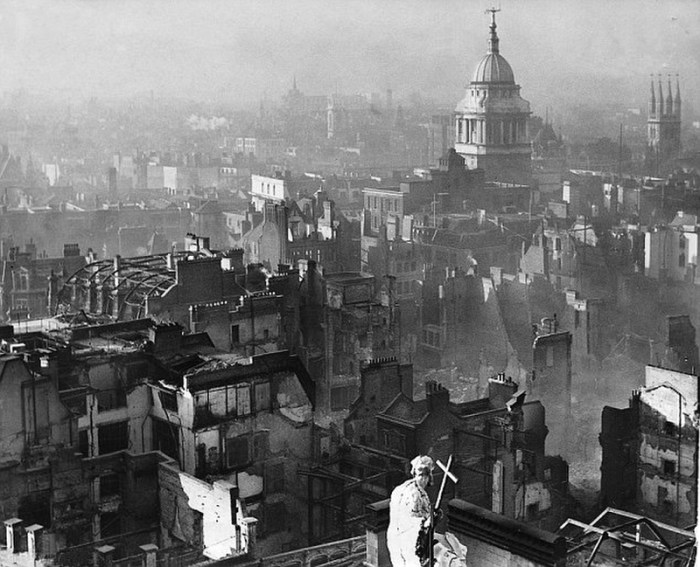
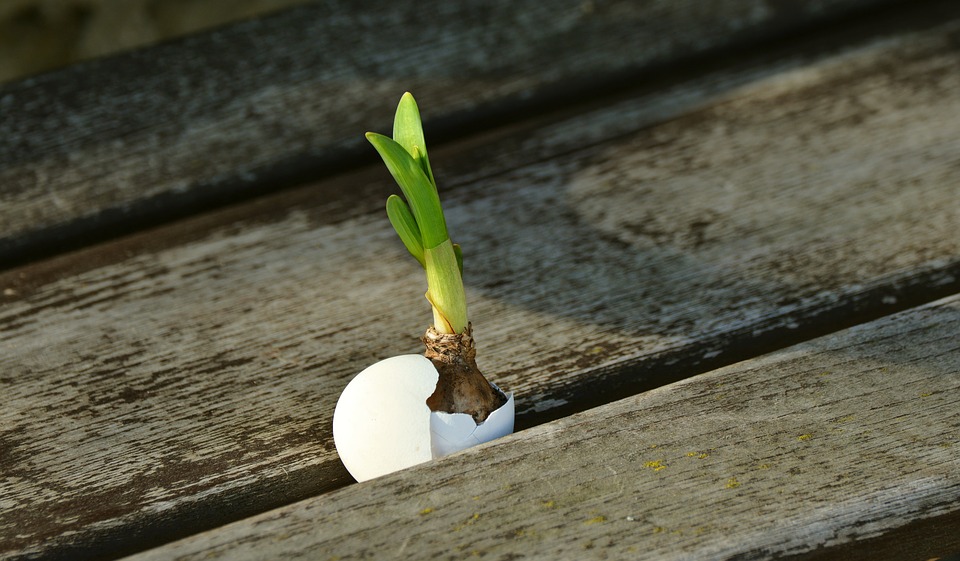
While researching my WWII novel, I came across an arresting story in one of my sourcebooks, London 1945. Author Maureen Waller describes a scene in a north London cinema. Though 28,000-pound V-2 rockets had been falling in the area for three days and nights, the locals still flocked to see the new film. As a revolver fired onscreen, one of the actors cried “What was that?” A wit in the audience responded, “Only a bloody rocket!” It made me laugh. It made me think. The tenacity of life—the green shoot that rises from the slender crack on a granite cliff in a barren landscape. Over 80,000 Londoners were killed or seriously injured in WWII. Every night, they went to sleep not knowing if a bomb would fall on their house. Not knowing if they would ever wake up again. And yet, life, however changed and rearranged, continued.

If you live in North America or western Europe and were born after 1940—which is most of us reading this—you have lived a life relatively free of disaster on a grand scale. Not in a war zone or under some violent regime. Our tragedies have largely been personal, and though that doesn’t minimize the pain they caused the people who experienced them, the scale has been one of the individual, not the universal. As Humphrey Bogart famously said in Casablanca, “It doesn’t take much to see that the problems of three little people don’t amount to a hill of beans in this crazy world.” Well, now we’ve got much more than the problems of three little people (though it is, indeed, still a crazy world). Now, we do have to keep calm and carry on, as all those Brits did in WWII England—minus the congregating in cinemas part—because, literally, what else can we do?
Chuck the Crystal Ball That Never Really Worked—It’s Still Not Working
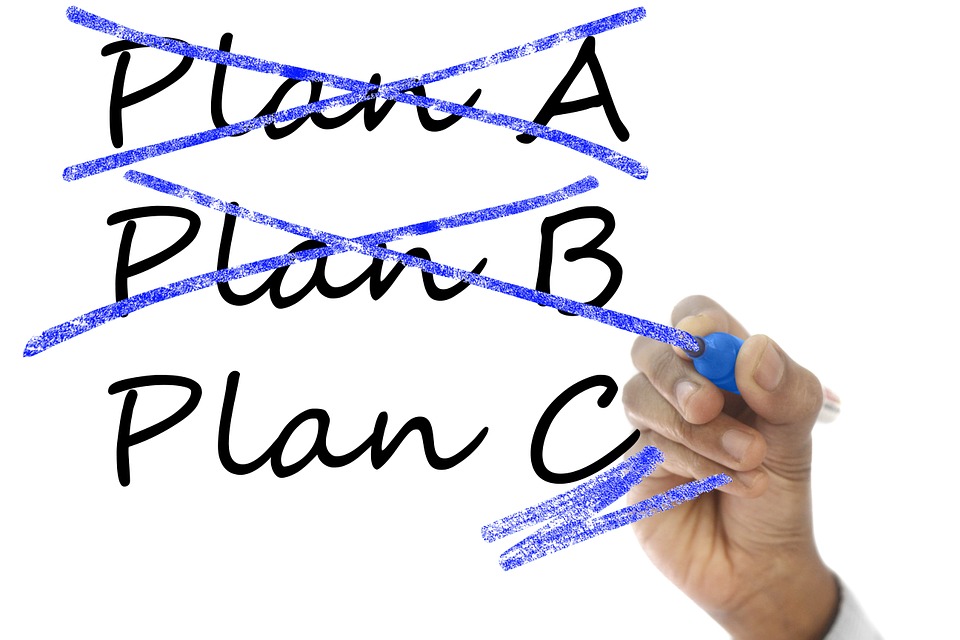
In mid-March, I was trying to calculate whether or not we’d be able to take a planned mini-vacation to Portsmouth in May. Would my son be able to safely fly here for a visit in late July? Could we even count on finding laundry detergent when the current bottle ran out in two weeks? And then I stopped. Because no one knows.
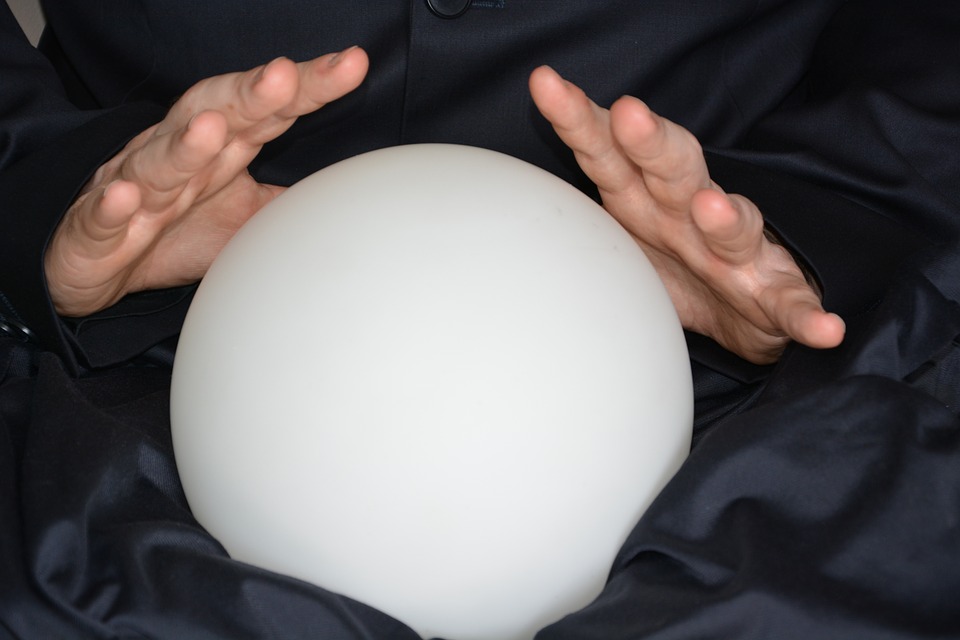
The bottom line is: We have to stay in the here and now. The here and now is all we have. It’s all we can rely on. It’s actually all we ever have, but pre-pandemic life gave us the illusion we could make plans and have reasonable assurance things would unfold accordingly. Well, now we can’t. Trust me, for someone who dots all her Is and crosses her Ts, who mentally fast forwards to consider every contingency and prepare, this does not come easy, but there simply is nothing ahead any of us can know with certainty.
And that includes the pundit alarmists out there who predict the virus will go on for years, erupting again and again. That our country and the world will never be the same. Our way of life is gone. Forever! While there’s no denying, TheRUMP and his profiteering pals have mucked up the rollout of everything from test production to desperately-needed masks and ventilators—resulting in a huge spike in COVID-19 cases and needless deaths—forever is a very long time, and history is proof that even the awfullest awful disasters come to an end. Bubonic plague. The flu pandemic of 1918. The Great Depression. World War II. Ironically, we tend to overlook the big lesson these dark moments impart because we see everything in the past as over and done, but living through a disaster in real time is always the same. For those who suffered prior global catastrophes, there was no certainty in the present. There never is.

As for the doom-and-gloom about our way of life disappearing, the world is always changing. Our way of life is always changing. The noun “crisis” comes from the Latinized form of the Greek word krisis, meaning “turning point in a disease.” A moment when things could get worse. Or better. Opportunities arise at such crossroads. Out of the Great Depression came the Social Security Act. After the 1918 flu pandemic, many countries adopted free universal healthcare. Though (sadly) the U.S. did not do so—opting instead for employer-based insurance plans that left many uninsured—it did consolidate the field of medicine to include the sociological as well as the biological and experimental. The concept of public health was born and, with it, epidemiology which studies the patterns, causes, and effects of disease.
This is a crisis, and with it comes the opportunity to rethink the way we live.
Joan’s Theory of Relativity
A good friend from my younger days used to talk about her mom, Joan. If you complained about something in your life, Joan would remind you of all the people who had it worse. My friend called it Joan’s theory of relativity. It made us laugh back then, but it underscores a valid point.

If you’re healthy and have no symptoms of COVID-19, you’re having a wonderful day. Go read a book. Or write one. If the weather’s good, take a walk. Do some gardening. Whatever the weather, dance in your kitchen, bake chocolate chip cookies, take up the bongos.
And do something for a better future:
1) Protect the 2020 election by writing or calling your U.S. reps and senators. Let them know you support voting by mail in all 50 states;
2) Join an online group to protect the environment. Many orgs are now working with activists through the Internet, advising on how to take effective actions from home;
3) Money is uncertain for many of us now, but if you have $5 or $10 to spare, there are numerous good causes out there: Feeding America; Direct Relief; The American Red Cross; Team Rubicon (an NGO service organization that puts veterans to work providing disaster relief); United Way Worldwide. (For full descriptions of these and other charities, checkout this WaPo article.)
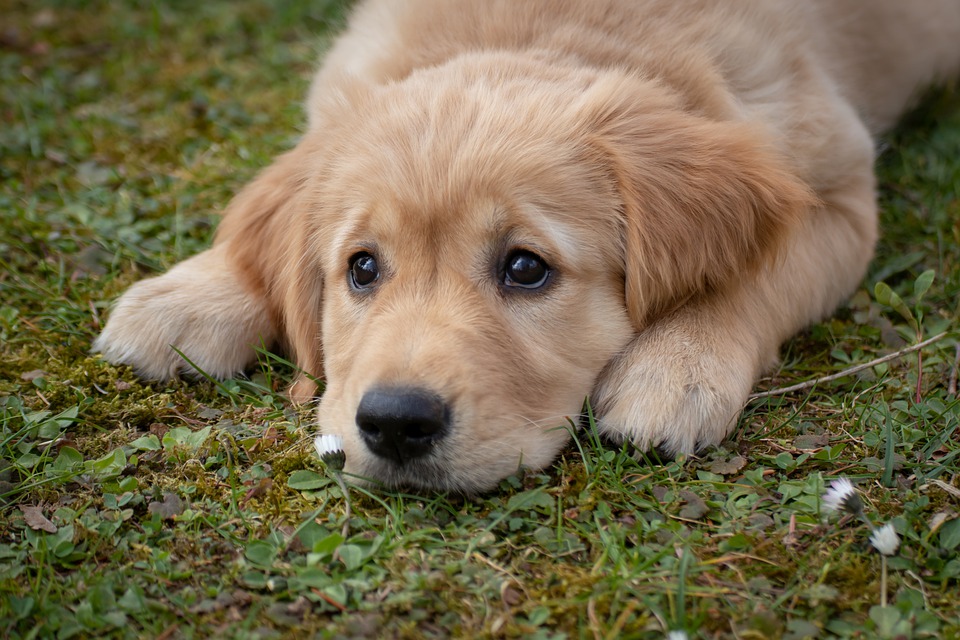
The Humane Society International could use your help, too. Hundreds of thousands of pets have been abandoned around the world in the mistaken belief they can pass on COVID-19. Both the CDC and the Agriculture, Fisheries and Conservation Department have issued statements that no evidence exists that companion animals, including pets, can spread COVID-19.

If you’re doing a self-quarantine because you’re feeling a bit squishy around the edges, you’re maybe not having such a good day, but hopefully you can draw some comfort from listening to your favorite music, reading (great time to reduce your TBR pile), binge-watching old movies you love or streaming new series, and connecting with loved ones by phone or social media. Do take very good care of yourself. We need you.
If you have COVID-19, you’re probably not reading this, but if you are, know that we are all pulling for you. That millions and millions of people across the globe are rooting for your full and speedy recovery. You have every right to be angry—the White House’s mishandling of this pandemic is cruel and inexcusable—but anger is a poor healer. Get well and take your revenge at the ballot box in November.
And that’s Joan’s theory of relativity.
Patience

The only place I venture out to these days is the supermarket, where I try to buy enough to last a full week. Or put another way, I go weekly and whatever I forget, we do without. When I went last week, the store was in full insanity mode. Aisles stripped bare of every basic as people piled their carts high with multiples of whatever they could grab. I kept thinking They must all have a platoon of giant chest freezers in the basement. You know, the kind where they discover the victim’s body on murder mysteries.
But things were calmer today (although for some inexplicable reason, butter and yogurt are still on the MIA list). Gone was the frenzy, and in its place, a new patience, bordering on generosity, had descended. People acknowledged each other with a nod, a smile. Maybe we are realizing that we really are all in this together. And that we can’t know when this will end or exactly what shape it will take in the months ahead.

Ahead of me in the self-checkout line was a woman with two small children. The children were being, well… children, so the process of emptying her cart and bagging her items was something like watching paint dry. I told her to take her time, no stress. We all have enough stress. And I realized I wasn’t just being polite. I meant it. In this new world, what is the rush about anything for anyone who’s healthy? As I watched the kids, excited by a pack of modeling clay they were getting, my heart went out to them and their mom—to have young children or an infant at this time has to have its scary moments. Like may be a lot of them. My kids are grown and I’m still concerned. As professor and author Elizabeth Stone famously said: To have a child is to decide forever to have your heart go walking around outside your body.
Grace?
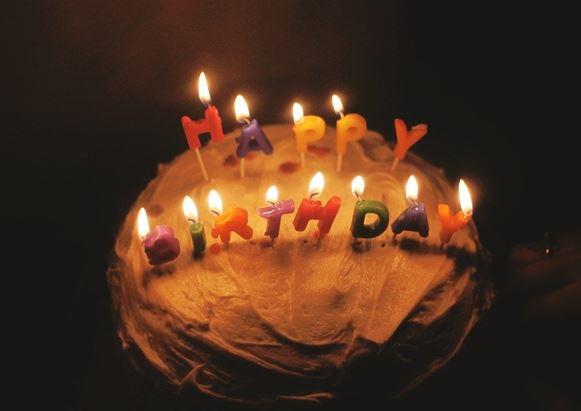
So, my annual birthday cake and champagne bash for the neighbors won’t be happening next week. The incredibly delicious cake Ed usually orders from our local bakery (lots of frosting!) won’t be happening—we’re limiting all outings to the supermarket and pharmacy for now. But I can always bake one from scratch. And we can hold the celebration when all this is over. Whenever that is. We’ll see.
Is that grace? Maybe. I only know that my job—our job—in this difficult hour is to endure.
If you’re a regular reader of this blog, you’ve probably run across my “mantra”, the Rumi quote that hangs by my desk. It is especially apt in these times:
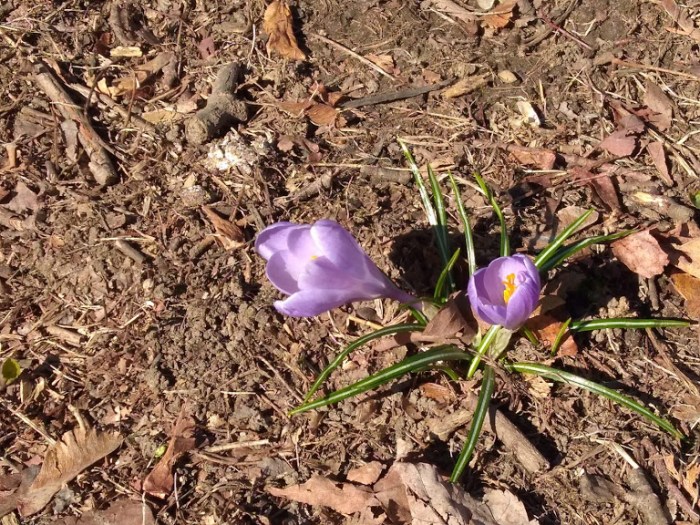
Keep walking, though there’s no place to get to. Don’t try to see through the distances, That’s not for human beings. Move within, But don’t move the way fear makes you move.
Winston Churchill put it even more simply: If you’re going through hell, keep going.
Until the moment you’re not here, you are here. Whatever the circumstances, this day, this hour is your life. It is precious.
Stay well. And live.

































 amyhenrybooks